Pakistan Alleges Kandahar Meeting Between Taliban Officials and Militant Leaders; Kabul Rejects Claim
- Published
- Updated
- Reading time
- 3 min read
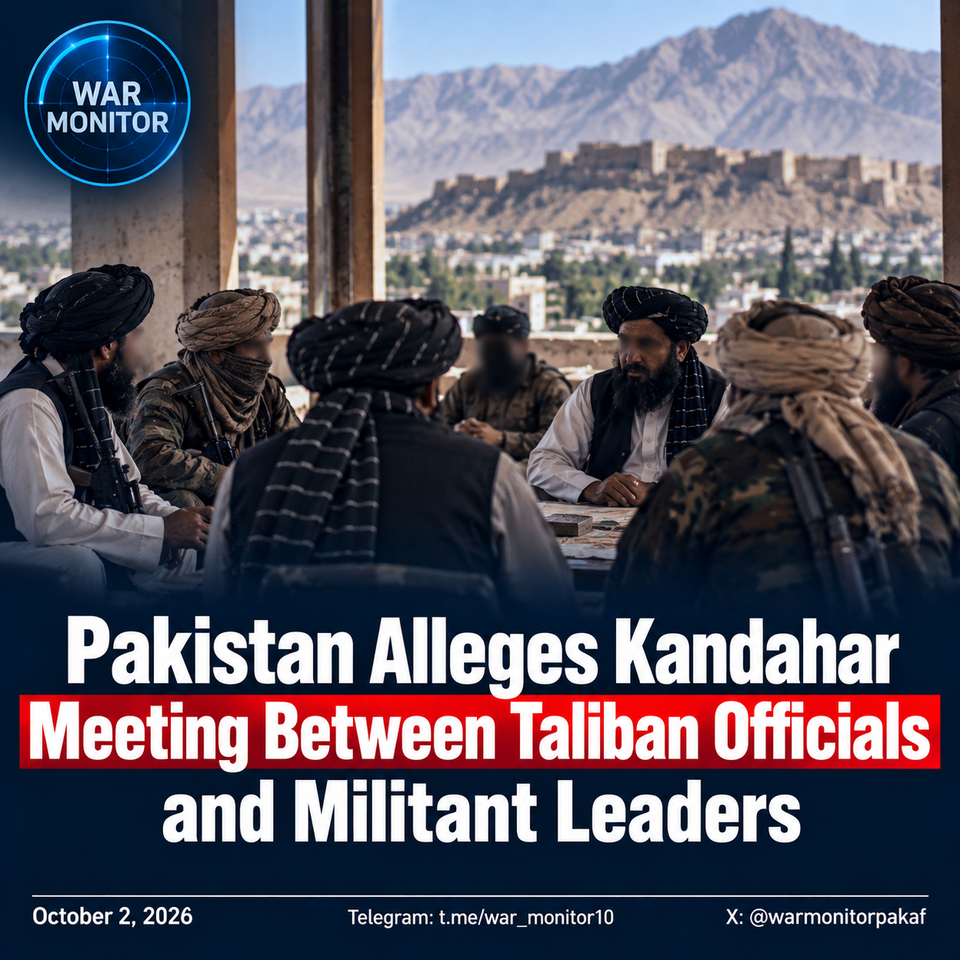
October 2, 2026 | Attaullah Hafeez — WAR MONITOR Correspondent, Islamabad
Pakistan’s military has accused senior Afghan Taliban officials of facilitating a meeting in Kandahar involving representatives of several armed groups operating against Pakistan, an allegation rejected by the Taliban administration in Kabul.
Military spokesperson Lt. Gen. Ahmed Sharif Chaudhry said the alleged meeting took place on August 26 and was headed by Kandahar Governor Mullah Shireen. He said representatives associated with the Balochistan Liberation Army (BLA), Al-Qaeda in the Indian Subcontinent (AQIS), the Hafiz Gul Bahadur network and other militant elements were involved.
The Associated Press reported that it had reviewed an intelligence report describing Mullah Shireen as the host. The document also alleged involvement by Afghan and Indian intelligence officials. However, the Pakistani military spokesperson did not publicly explain how the information about the alleged meeting was obtained or present evidence establishing that the gathering took place as described.
Kabul Rejects the Allegations
Afghan government spokesperson Zabihullah Mujahid has rejected the allegations, saying Afghan authorities do not permit activities directed against Pakistan from Afghan territory. He described such accusations as propaganda aimed at damaging Afghanistan’s image. A senior Taliban official separately told Amu TV that the alleged Kandahar meeting did not take place.
The dispute is part of a broader deterioration in relations between Islamabad and Kabul. Pakistan has repeatedly accused the Taliban administration of allowing militant groups, particularly the TTP, to operate from Afghanistan, while Kabul has consistently denied providing sanctuary for attacks against Pakistan۔
Questions Over the Alleged Coordination
The allegation is significant partly because the groups named by Pakistan have substantially different ideological and political objectives.
Security analyst Abdul Basit, quoted by AP, said there is evidence of some tactical interaction among militant networks, but expressed skepticism about portraying groups such as Al-Qaeda, the TTP and Baloch separatists as operating within a broadly coordinated structure.
This distinction is important. Limited tactical cooperation between individual armed groups would not, by itself, establish the existence of a unified command structure or prove state sponsorship.
What Is Established — and What Remains a Claim
At present, Pakistan has publicly made the allegation, and AP has confirmed the existence of an intelligence report containing details of the purported Kandahar meeting. That does not independently establish that the meeting occurred exactly as alleged or prove the wider claims of Afghan or Indian facilitation. Kabul, meanwhile, denies the allegations.
The issue therefore remains one of competing claims between Pakistan and Afghanistan, with significant elements of the Pakistani intelligence assessment still lacking publicly available independent corroboration.
Independent verification of the alleged August 26 meeting and the claims surrounding it is pending.
X: https://x.com/warmonitorpakaf
Telegram: https://t.me/war_monitor10
Sources & verification
Sides give conflicting accounts. How we label claims
Read next
Related coverage
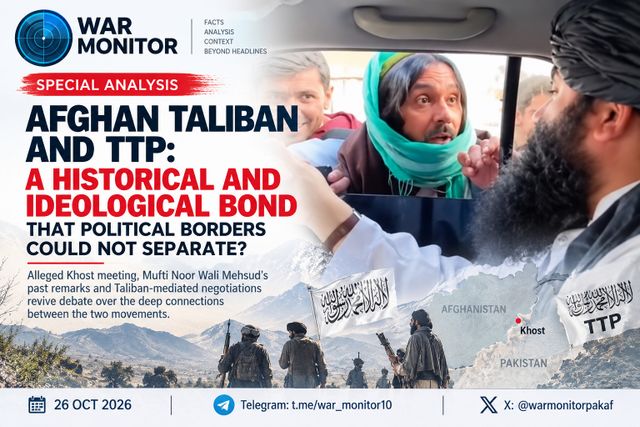
Afghan Taliban and TTP: Can Political Borders Separate a Shared Ideological and Historical Legacy?
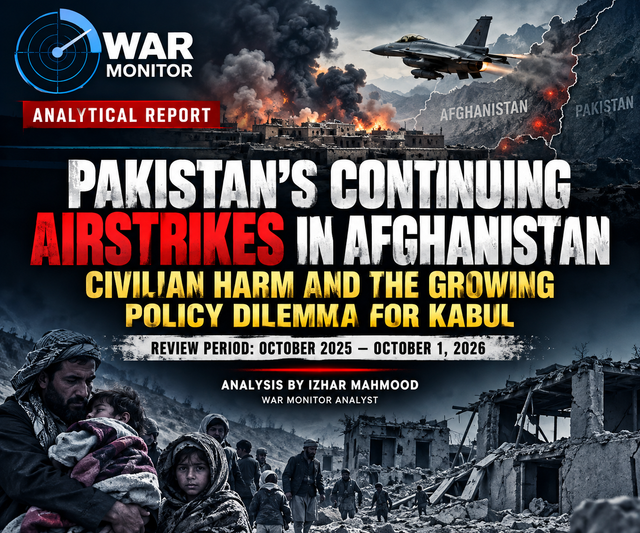
Pakistan’s Continuing Airstrikes in Afghanistan: Civilian Harm and the Growing Policy Dilemma for Kabul
Diplomatic Openings, the Smell of Explosives and the New Question of Proxy Warfare