Hamid Mir’s Remarks on Colonel Imam Revive Questions Over Controversial 2010 Audio Recording
ISLAMABAD, October 26, 2026
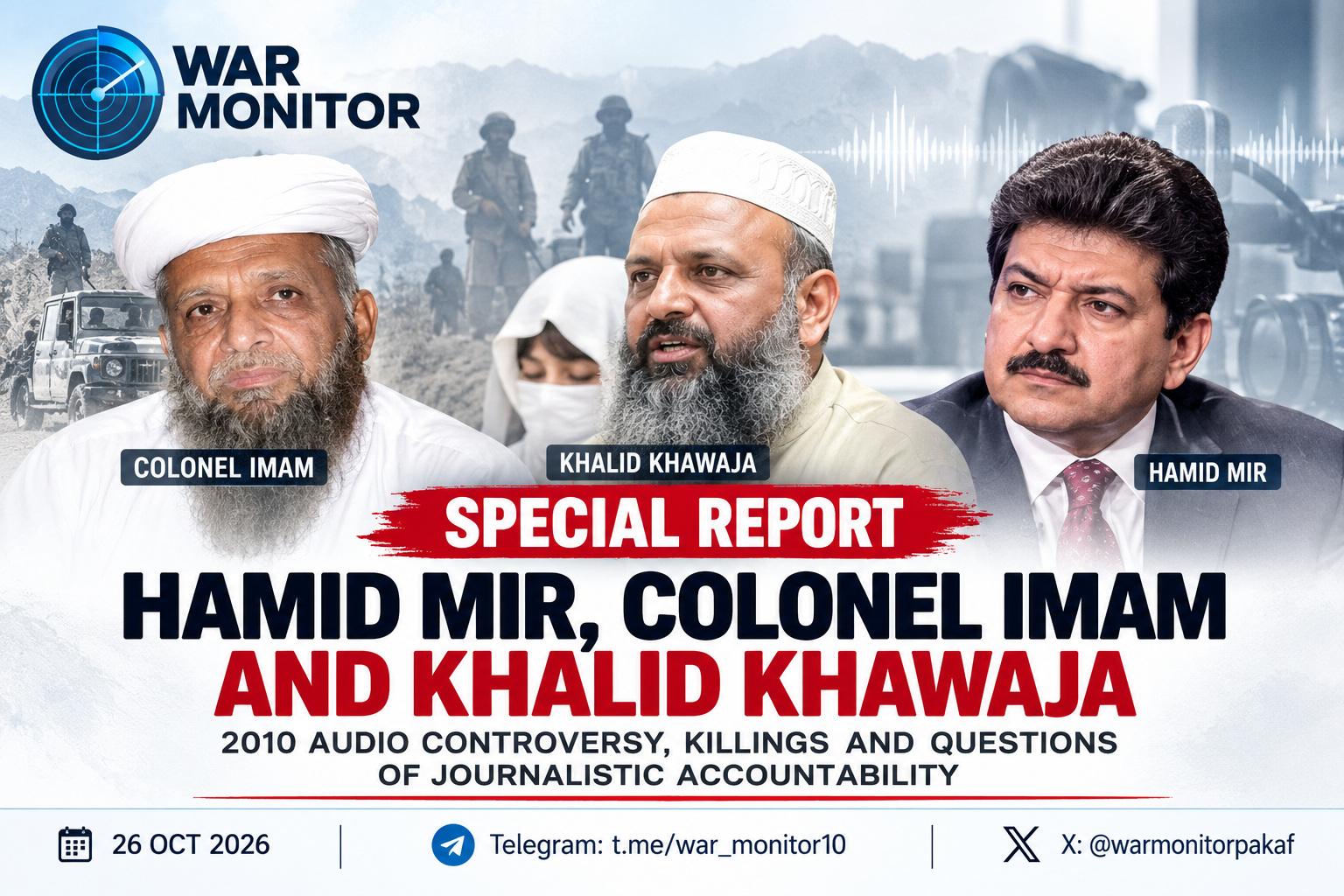
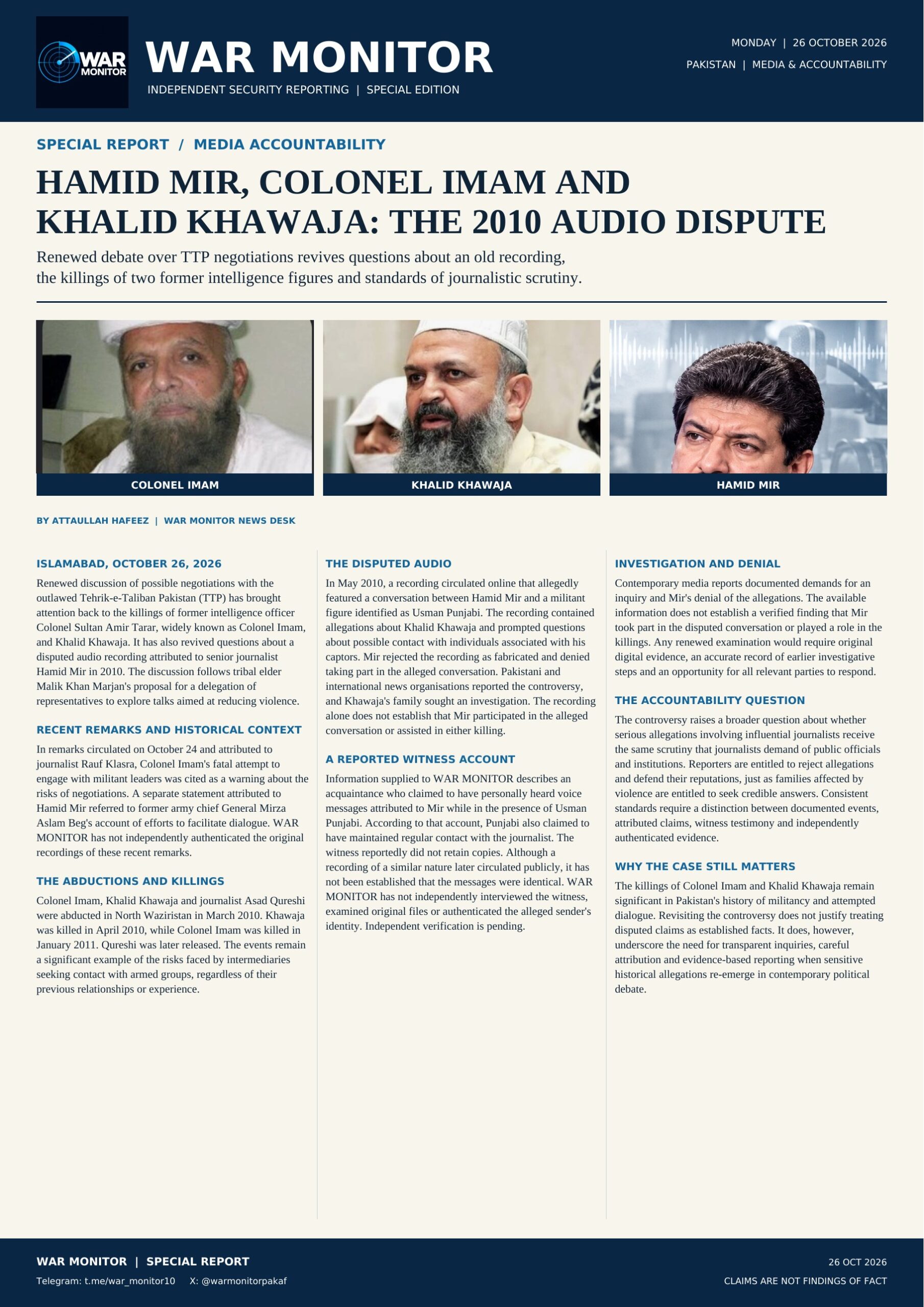
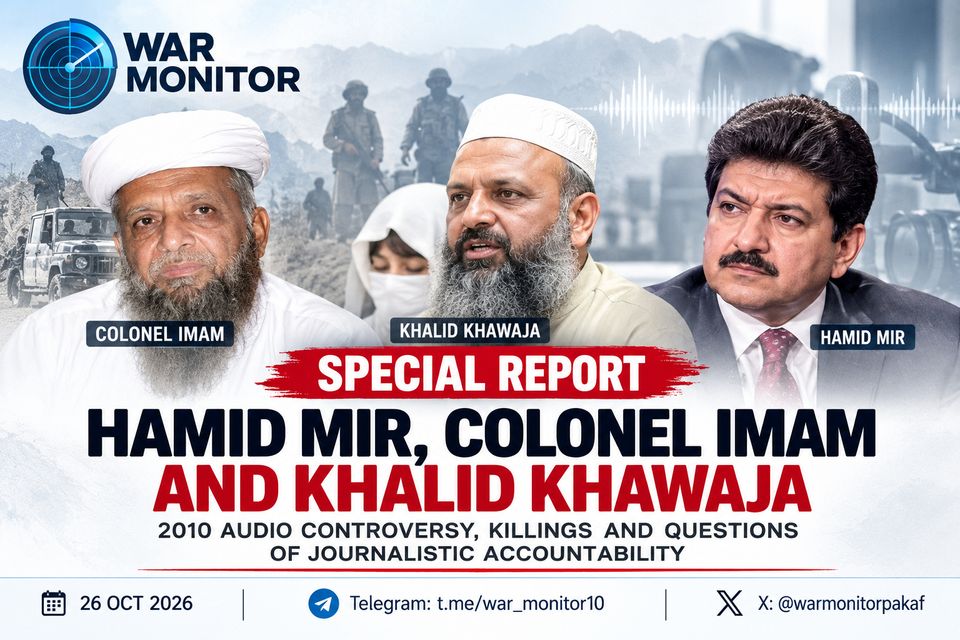
— Renewed discussion over possible negotiations with the outlawed Tehrik-e-Taliban Pakistan (TTP) has brought attention back to the killings of former intelligence officer Colonel Sultan Amir Tarar, widely known as Colonel Imam, and Khalid Khawaja, alongside a controversial audio recording attributed to senior Pakistani journalist Hamid Mir in 2010.
The debate follows a proposal by tribal elder Malik Khan Marjan for a delegation of tribal representatives to pursue talks aimed at reducing militancy and cross-border violence.
Recent Remarks and Historical Context
In remarks circulated on October 24 and attributed to journalist Rauf Klasra, Colonel Imam’s fatal attempt to engage with militant leaders was cited as a warning about the risks associated with such initiatives.
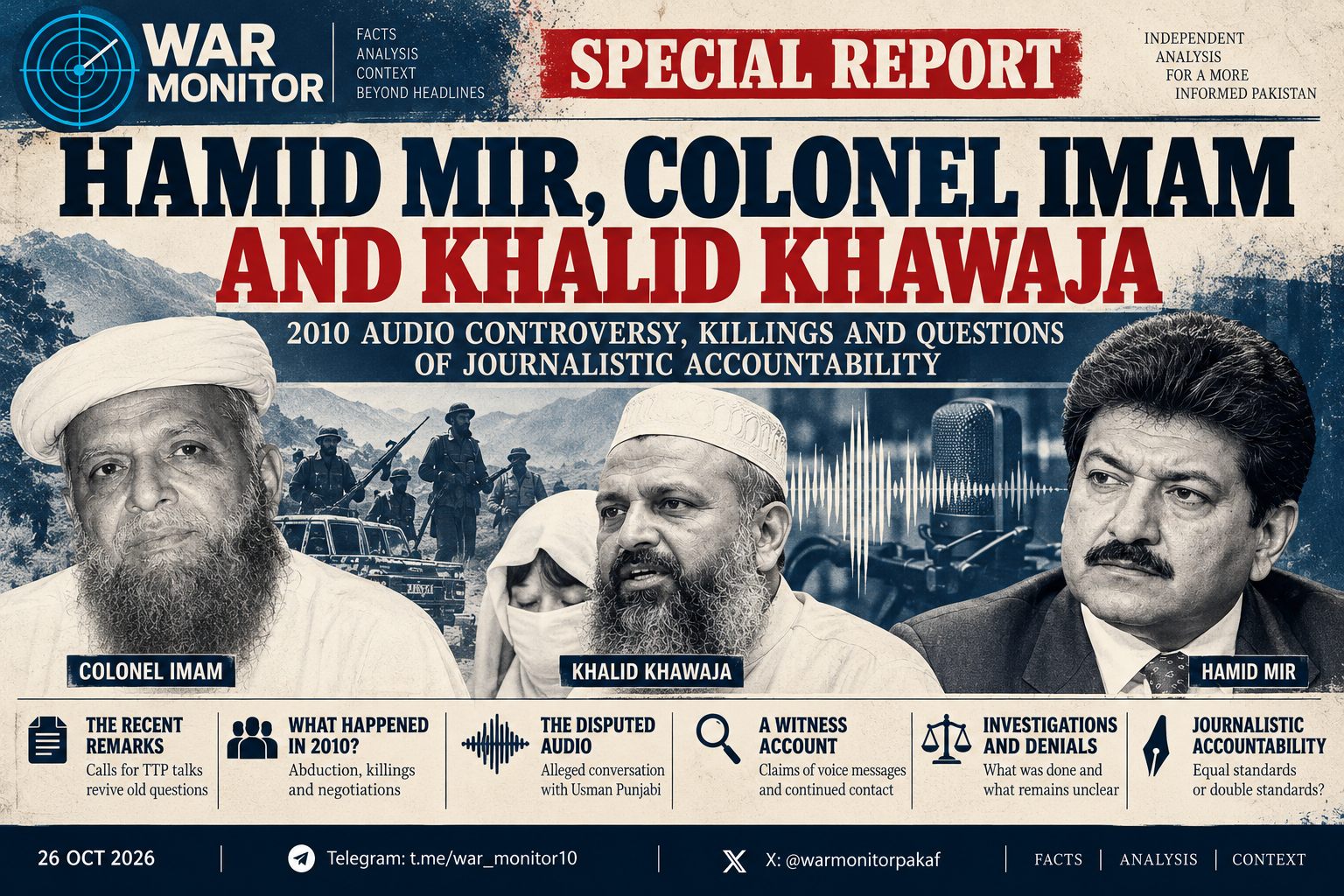
A separate statement attributed to Hamid Mir referred to former army chief General Mirza Aslam Beg’s account of Colonel Imam’s efforts to facilitate negotiations. The statement described the subsequent abduction and killing of Colonel Imam and Khalid Khawaja.
The original recordings of these recent remarks have not been independently authenticated by WAR MONITOR.
Colonel Imam, Khalid Khawaja and journalist Asad Qureshi were abducted in North Waziristan in March 2010.
Khawaja was killed in April 2010, while Colonel Imam was killed in January 2011. Qureshi was subsequently released.
The Disputed Audio Recording
In May 2010, an audio recording circulated online, allegedly featuring a conversation between Hamid Mir and a militant figure identified as Usman Punjabi.
The recording contained allegations concerning Khalid Khawaja and prompted questions about whether information had been shared with individuals connected to his captors.
Mir rejected the recording as fabricated and denied participating in the alleged conversation.
The controversy was reported by Pakistani and international media, including Dawn and The Guardian. Khawaja’s family sought an investigation into the allegations.
Additional Witness Account
A source who provided information to WAR MONITOR described an account from an acquaintance who claimed to have personally heard voice messages attributed to Hamid Mir while in the presence of Usman Punjabi.
According to that account, Usman Punjabi also claimed to have maintained regular contact with the journalist.
The witness reportedly did not retain copies of the messages. A recording of a similar nature subsequently circulated publicly, but it has not been established whether the messages allegedly heard by the witness were identical to that recording.
WAR MONITOR has not independently interviewed the witness, examined the original messages or authenticated the alleged sender’s identity.
Independent verification is pending.
Questions of Journalistic Accountability
The renewed controversy raises questions about the handling of serious allegations involving journalists and their reported contacts with armed groups.
Mir has denied the allegations associated with the disputed recording. The available material does not establish that he participated in the alleged conversation or assisted in either killing.
Nevertheless, the historical controversy highlights the importance of transparent investigations, reliable digital evidence and consistent standards of accountability.
The central issue is whether allegations involving influential media figures receive the same level of scrutiny that journalists routinely demand of public officials and other institutions.
The killings of Colonel Imam and Khalid Khawaja remain significant episodes in Pakistan’s history of militancy and attempted negotiations.
Any reassessment of the 2010 controversy requires authenticated evidence, an examination of the investigative record and a clear distinction between documented facts, witness allegations and disputed claims.
Telegram: https://t.me/war_monitor10
X: https://x.com/warmonitorpakaf
Sources & verification
Reported by media or local sources. How we label claims
Read next
Related coverage
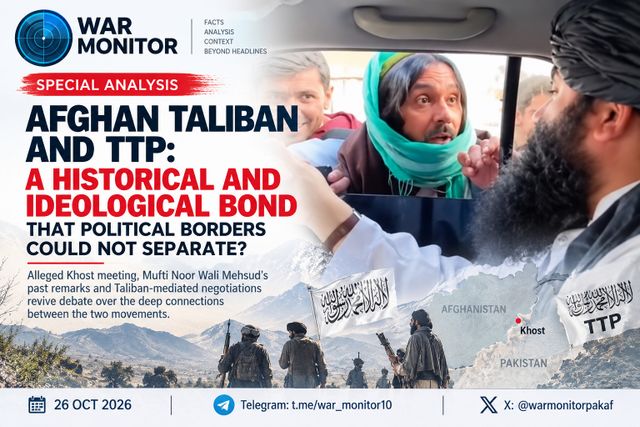
Afghan Taliban and TTP: Can Political Borders Separate a Shared Ideological and Historical Legacy?

WAR MONITOR | Follow Our Backup X Account
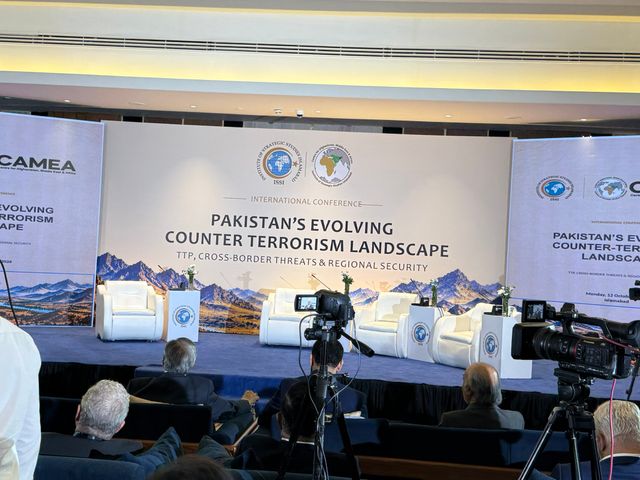
Islamabad Conference Examines TTP Threat and Pakistan’s Evolving Counterterrorism Challenges
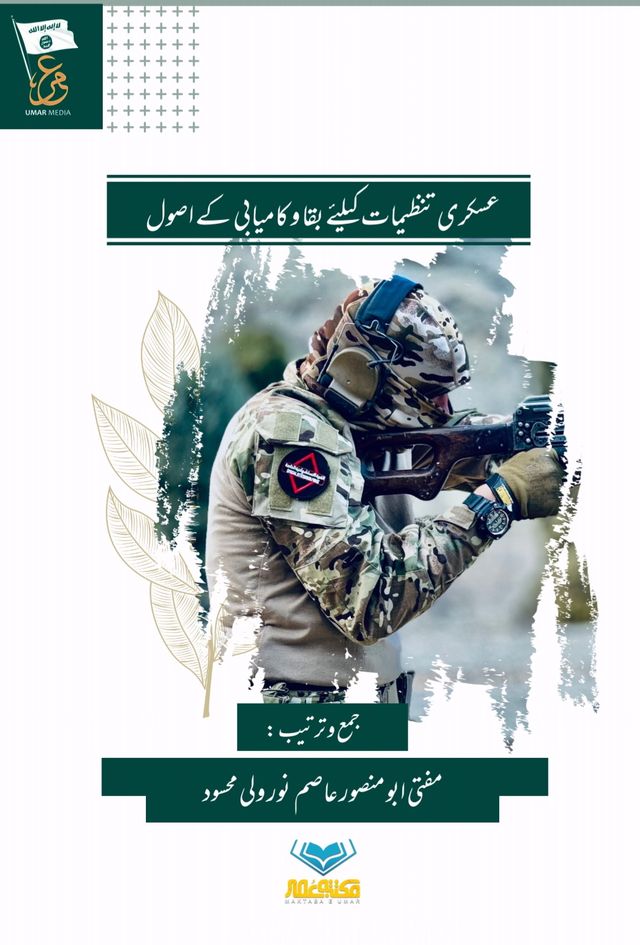
TTP Releases New Book Attributed to Chief Mufti Noor Wali Mehsud
Region